

 English
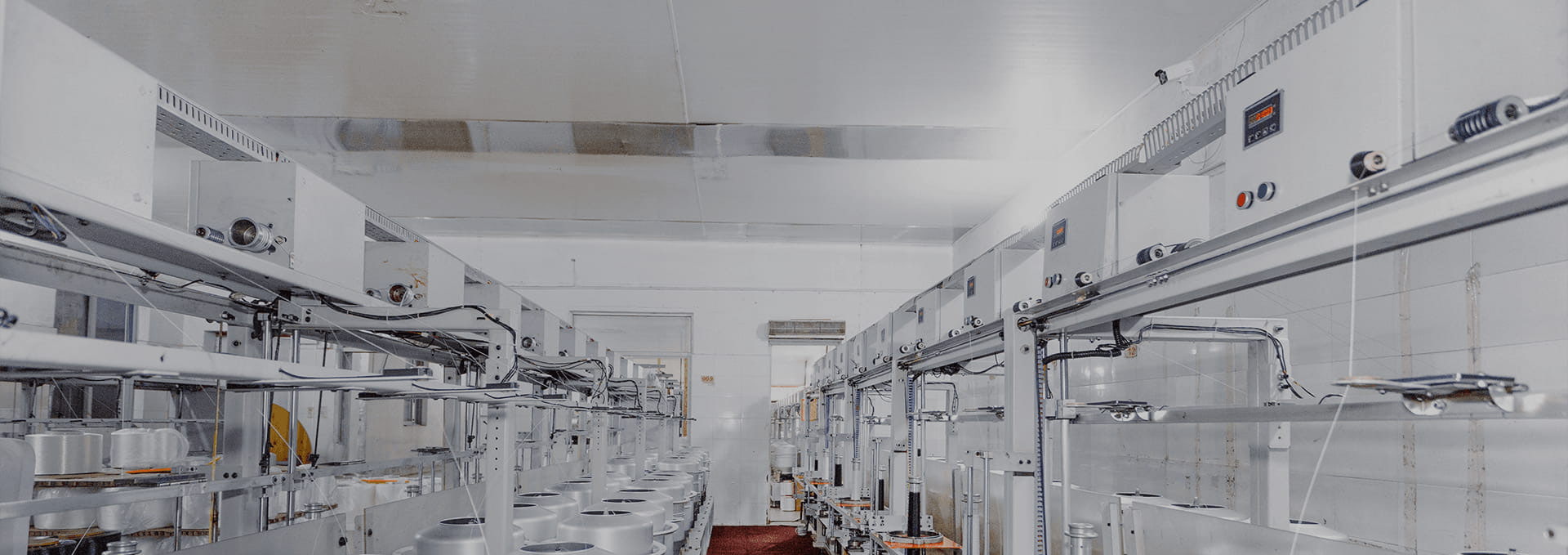
The single-spindle twisting machine has been completely upgraded, enabling flexible and efficient production of yarns.
The upgraded single-spindle twisting machine has recently been officially launched. The equipment focuses on the processing needs of small-batch and multi-variety yarns, providing a flexible and stable solution for joint twisting and winding for textiles, rope-making, sewing thread, industrial fibers, etc. It helps upgrade yarn quality and facilitate the transformation to flexible production.
Traditional multi-spindle twisting equipment has cumbersome processes when changing varieties or adjusting parameters. Small-order production often faces problems such as long material change time and high loss. The new single-spindle twisting machine adopts an independent single-spindle drive structure. Each spindle position can be started and stopped independently, and the twisting degree and tension can be set independently. There is no need to stop the entire machine for debugging. It can process different yarn specifications simultaneously, significantly shortening the changeover cycle and adapting to the production of multi-specification and small-batch customized orders.
The equipment features a high-precision tension adjustment system and a variable-frequency control system. The twisting degree is controlled precisely, effectively reducing the yarn breakage rate, ensuring uniform yarn twisting, less hairiness, and stable strength. The model is compatible with various raw materials such as polyester, nylon, cotton, PP, PE, etc., and can produce sewing threads, decorative yarns, industrial joint yarns, and fine-strand rope and cable yarns, etc. It is widely used in clothing accessories, home textiles, industrial ropes and cables, etc.
The overall structure is compact, with a small floor area, suitable for the layout of small and medium-sized factory workshops. It is equipped with a simple touch control operation interface, with parameters displayed intuitively, reducing the difficulty for workers to operate. At the same time, the equipment optimizes the transmission structure, has lower noise, better energy efficiency, easier maintenance and repair, and reduces downtime for maintenance.
SEE HOW WE FULFILL YOUR PROJECT
Product Category


Contact Information
-
 No. 51, Xuehuan Bridge Head Village, Lutiao Town, Xiaoshan District, Hangzhou City, Zhejiang Province, China
-
 +86-18668106556
-
 89564076@qq.com

Copyright © Hangzhou Lanfang Technology Co., Ltd. All Rights Reserved
